What young Africans need to succeed in agriculture
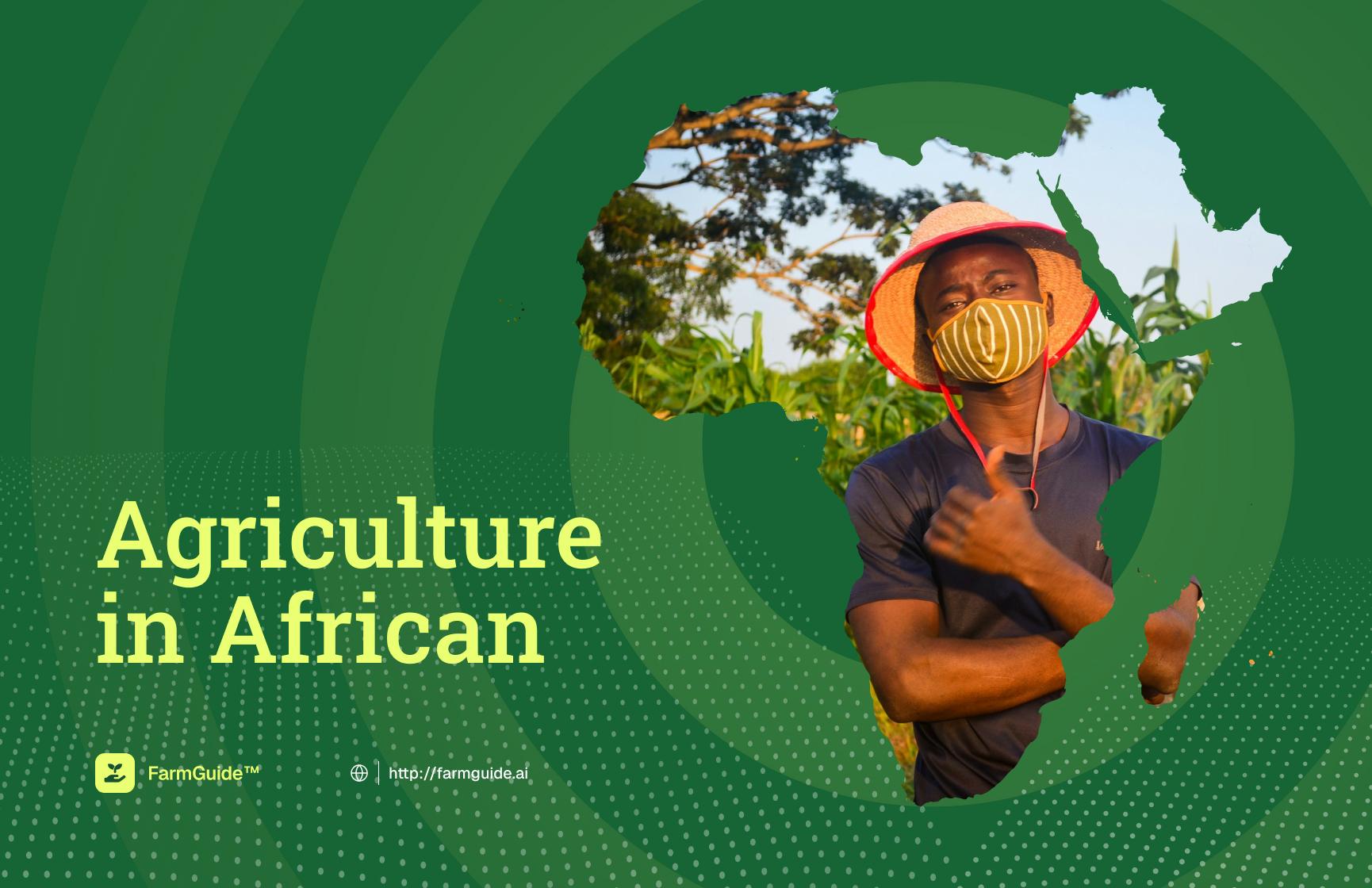
Across Africa, young people are viewing agriculture in a broader, more promising light. Digital access has made new production methods, market opportunities and agribusiness stories easier to discover. Agriculture is no longer viewed only as owning land and growing crops. It also includes processing, logistics, machinery services, agricultural advice, input supply, aggregation and trade.
However, recognising the opportunity is not the same as having the conditions required to build a viable agricultural business.
Young Africans do not need another general message about the importance of agriculture. Many already participate through family farms, informal trade, service businesses and early-stage enterprises. What they need is a fair opportunity to turn knowledge, effort and ambition into stable work and sustainable income.
A viable start requires more than land
Access to suitable land remains a major barrier. Many young people obtain land late through inheritance, informal family arrangements or expensive rental agreements. Even when land is available, insecure tenure makes it difficult to invest confidently in irrigation, soil improvement, equipment or production systems that take several seasons to mature.
Land ownership is not the only path into agriculture. Leasing, family-use agreements, cooperatives and agricultural service businesses can also provide practical entry points. What matters is having a secure and workable foundation from which to plan, invest and benefit from the results.
Several government programmes reflect this wider understanding. Nigeria’s Youth in Agribusiness Land Trust Fund combines land access with training, finance, mechanisation, mentorship, incubation and market connections. Ghana’s Youth Agriculture Estate Initiative links structured commercial agriculture employment with access to training and machinery. Kenya’s ENABLE Youth programme uses agribusiness incubation supported by training, mentoring, coaching and finance.
These initiatives should not be treated as proof that the underlying problems have been solved. Announced targets are commitments, not confirmed outcomes. Their importance lies in recognising a basic reality: land without capital is insufficient, training without access to buyers has limited value, and funding without a sustainable business model rarely produces lasting results.
Finance must reflect how agriculture works
Agricultural businesses do not operate on a regular monthly income cycle. Farmers spend on land preparation, seed, feed, labour, transport and crop protection long before they receive revenue. One difficult season can weaken a young enterprise before it has had enough time to learn and improve.
Young farmers and agribusiness owners need financial options that reflect this cycle. These may include working capital, equipment leasing, shared machinery, agricultural insurance, warehouse-receipt finance, savings groups or contracts that provide greater certainty about demand. The most useful finance supports a clear business model rather than offering money without an operating plan.
A vegetable grower needs water, good crop timing, suitable transport and dependable market access. A poultry producer needs affordable feed, veterinary support and reliable buyers. A young entrepreneur offering spraying, irrigation or mechanisation services needs sufficient demand from farms within a practical service area. Finance is important, but its value depends on the system in which it is used.
Skills must improve real decisions
Agriculture involves practical work, but it is also a continuous decision-making process. Farmers must decide when to plant, which variety suits the location, how much fertiliser to apply, when a pest or disease risk requires action, which buyer is reliable, and whether the farm earned a genuine profit.
Reliable information can improve these decisions. A study involving rice farmers in Nigeria found that personalised nutrient advice improved outcomes under the conditions tested. In Kenya, public digital-agriculture initiatives combine weather, market and farm information to make advice more relevant.
The lesson is not that an application can solve every farming problem. Advice must reflect the crop, location, production conditions and the farmer’s ability to act on it.
Young people therefore need practical skills, trusted local advice and consistent record-keeping. They also need enough room to learn from a difficult season without one mistake ending the business entirely.
Production becomes income only when markets work
A farm can produce a good harvest and still fail as a business. Prices may fall at harvest, buyers may delay payment, and poor roads, limited storage or high transport costs can remove the expected margin. Inputs may also arrive late or cost more than planned.
Market access should therefore influence the business from the beginning, not only after production. Young farmers need to understand who is likely to buy, what quality is required, how produce will be handled and when payment can reasonably be expected. Depending on the product and location, they may also need aggregation, storage, transport or a trusted cooperative.
This is one reason agriculture extends beyond the farm itself. Some young people will build successful careers as processors, aggregators, logistics providers, input suppliers, extension professionals or machinery operators. Africa’s agricultural future will depend on the businesses that help farms function, not only on those who own or cultivate fields.
Technology should solve a defined problem
Agricultural technology is valuable when it reduces a real constraint. Digital records can help a farmer identify where money is being lost. Advisory services can make weather or nutrient decisions more specific. Cold storage can give producers more time to sell. Mechanisation services can reduce difficult manual work without requiring every small farm to purchase expensive equipment.
The most useful question is not, “Which technology should young farmers adopt?” It is, “What is making this farm or agribusiness vulnerable, and what is the most practical way to reduce that risk?”
The answer may be a digital service. It may also be improved seed, a reliable water source, a buyer agreement, better storage or access to a tractor at the right time. Technology should support a viable agricultural business, not become the objective by itself.
A realistic path forward
Young Africans already recognise agriculture’s potential. What they need is a stronger opportunity to turn that potential into sustainable businesses and dependable livelihoods.
This requires secure access to a workable production or service base, finance suited to seasonal income, practical skills, trustworthy information, reliable buyers and infrastructure that does not make every decision unnecessarily expensive.
The future of African agriculture will be shaped by young people across farming, processing, services, logistics and trade. Their success will depend on systems that help them plan carefully, make informed decisions, recover from setbacks and build businesses that can endure.
Explore FarmGuide’s State of Agriculture in Africa Journal
Sources:
FAO: The Status of Youth in Agrifood Systems
IFAD: Youth access to land, migration and employment opportunities in sub-Saharan Africa
Arouna, Michler and Yergo: personalized extension advice in Nigeria
Written by
FarmGuide Team
FarmGuide Team is a contributor at FarmGuide, sharing insights on smart farming, agricultural technology, and sustainable practices.